Drought Area Unchanged
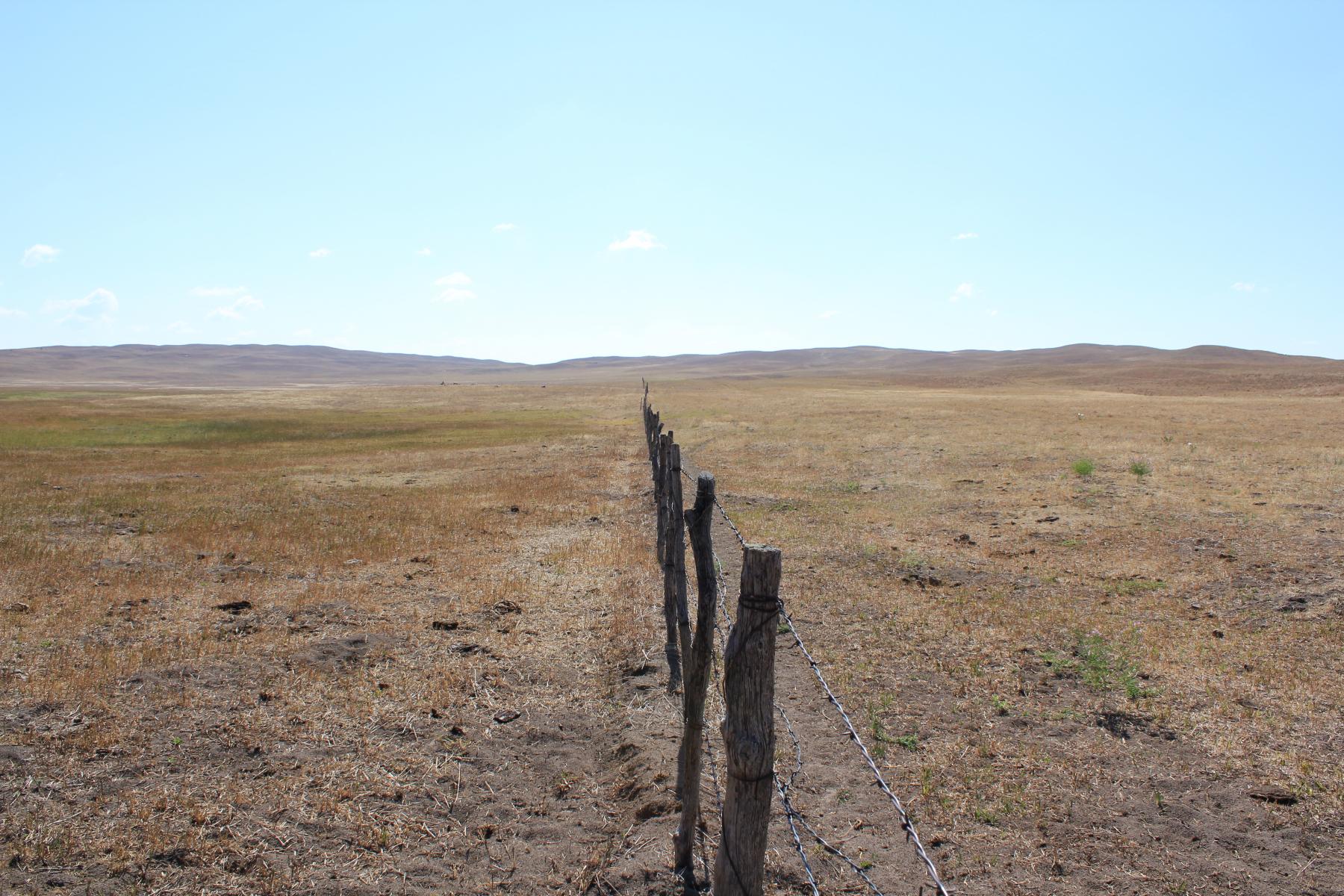
The June 13 U.S. Drought Monitor shows the area of Nebraska in drought holding steady this week. Three months ago 76% of Nebraska was in the worst drought status; now just 4% is. However, 90% of the state is still in some state of drought.This week the National Agricultural Statistics Service rated topsoil moisture 6% very short, 21% short, 69% adequate, and 4% surplus. Subsoil moisture supplies were rated at 23% very short, 35% short, 41% adequate, and 1% surplus. Nationally 48% of the U.S. remains is listed as abnormally dry or in drought. View weekly state, regional, and national updates to the Drought Monitor online. Nebraska moved from having minimal drought areas as of May 15, 2012 to being at the epicenter of the national by mid fall. Watch how the drought developed over the last year in a week by week animation developed by the U.S. Drought Monitor.

Drought Increases Poison Risk to Livestock
Under normal conditions livestock are fairly adept at selecting "safe" forages; however, when favorable forages are limited, previously ignored plants may become enticing. In addition physiological shifts in "normal" plants due to drought stress can generate toxic conditions. It is crucial that you recognize and learn about the toxic plants that reside normally on your landscape as well as adjust stocking rates and turn out dates to maximize productivity and minimize toxin risk. More
NOAA: Drought Relief Unlikely Through at Least mid-Summer
Spring climate and drought predictions indicate ongoing drought for Nebraska through June 30, with southeast Nebraska and possibly other areas expected to start showing some improvement.
Nationally, the drought is expected to intensify for a broad area stretching from Texas through Colorado and up into southeast Oregon and west into California and Arizona. The reports were released by the National Oceanic and Atmospheric Administration (NOAA) National Weather Service in April. For more information see the NWS Seasonal Drought Outlook and the NOAA Climate Watch article and video, The Story for Spring: Drought Relief Not Likely.
Training Offered in Preparation for Wildfire Season
Continuing intense drought, increased forest fuel loads, and the spread of eastern redcedar, at a rate of about 38,000 new acres per year, have created an explosive potential for very large and more complex wildfires statewide. In preparation for the oncoming battle, the Nebraska Forest Service expects to provide wildland fire training to about 500 firefighters in the next few months.
"Nebraska experienced the worst fire year on record in 2012, burning nearly 500,000 acres (68,634 of which were forested), 65 structures, hundreds of miles of fence and costing at least $12 million," said Casey McCoy, NFS wildland fire training manager. More
Deficit Irrigation and Corn Seeding Rates
For several years prior to 2012, producers in western Nebraska with adequate water had been pushing their corn populations. With the water supply a little more uncerrtain for 2013, how low should populations be? If you have limited irrigation water, but it’s a wetter year, how much yield might be lost with the lower population? If you have a drier year and a higher population, will it hurt yield? UNL researchers conducted a multi-year study to look at yields from various corn populations and deficit irrigation levels. See this CropWatch article to learn what they found.
Adjusting Pasture Leases for Drought
Many Nebraska pastures suffered considerable damage due to the drought and overgrazing in 2012. For 2013 landlords and tenants will want to discuss how to move forward and adjust the lease accordingly. When should cattle be moved into pasture and at what point should they be removed if conditions are dry? How should the pasture be managed for long-term health? What if there is fire or severe hail or the water source dries up? Extension Educator Allan Vyhanalek lists some topics of discussion and urges both parties to communicate their expectations now to avoid problems later. More.
Forage Production with Limited Precipitation or Irrigation
Many farmers and ranchers are looking at what forage options will be available this spring and summer to replace summer grasses lost to drought. Knowing when different forages are most water-use efficient and when to harvest them to achieve optimum quality and quantity will be particularly important for producers this year. A recent UNL webinar, Forage Production with Limited Precipitation or Irrigation, highlights when forages use water most efficiently and methods for planning how to incorporate these forages into production systems. See story for more resources on getting the most from water-limited forage production this year.
Facing Family Finances During Drought
Families can help reduce the natural stress that comes with reduced income by encouraging open discussion about family finance issues. Bring your family together to discuss your values and attitudes toward money. Do your expenditures reflect your priorities? Which priorities need to be met in the short-term and which can be delayed slightly? More Also see the Family Finances section for more tips for your family.
More Nebraska Drought News
Livestock
All four segments of the 2012-2013 Beef Short Course broadcast on NET2 are now available for viewing online. They are archived on the UNL Beef website.
Drought Events
Nebraska Hay and Forage Hotline 1-800-422-6692
Nebraska farmers with drought-damaged corn that can be swathed and baled, chopped, or grazed can list it on the Nebraska Hay and Forage Hotline.Market Journal Video Segments
Drought has forced some producers to dry-lot cattle for extended times. Rick Funston, UNL Extension beef cattle reproductive physiologist, discusses breeding and synchronization in confinement.
Drought Resources
The National Drought Mitigation Center, housed at UNL, helps people and institutions understand and prepare for drought.
- Managing Drought Risk on the Ranch
- Guide to Community Drought Preparedness
- National Drought Monitor (Click on national map to link to regional and state maps.)
- Drought Impact Reporter Share how the drought is affecting you.
Nebraska Drought Central, the State of Nebraska drought site.
FSA Disaster Assistance Program
Timely and In-depth Extension Coverage
Drought and drought-related topics can also be found on: